
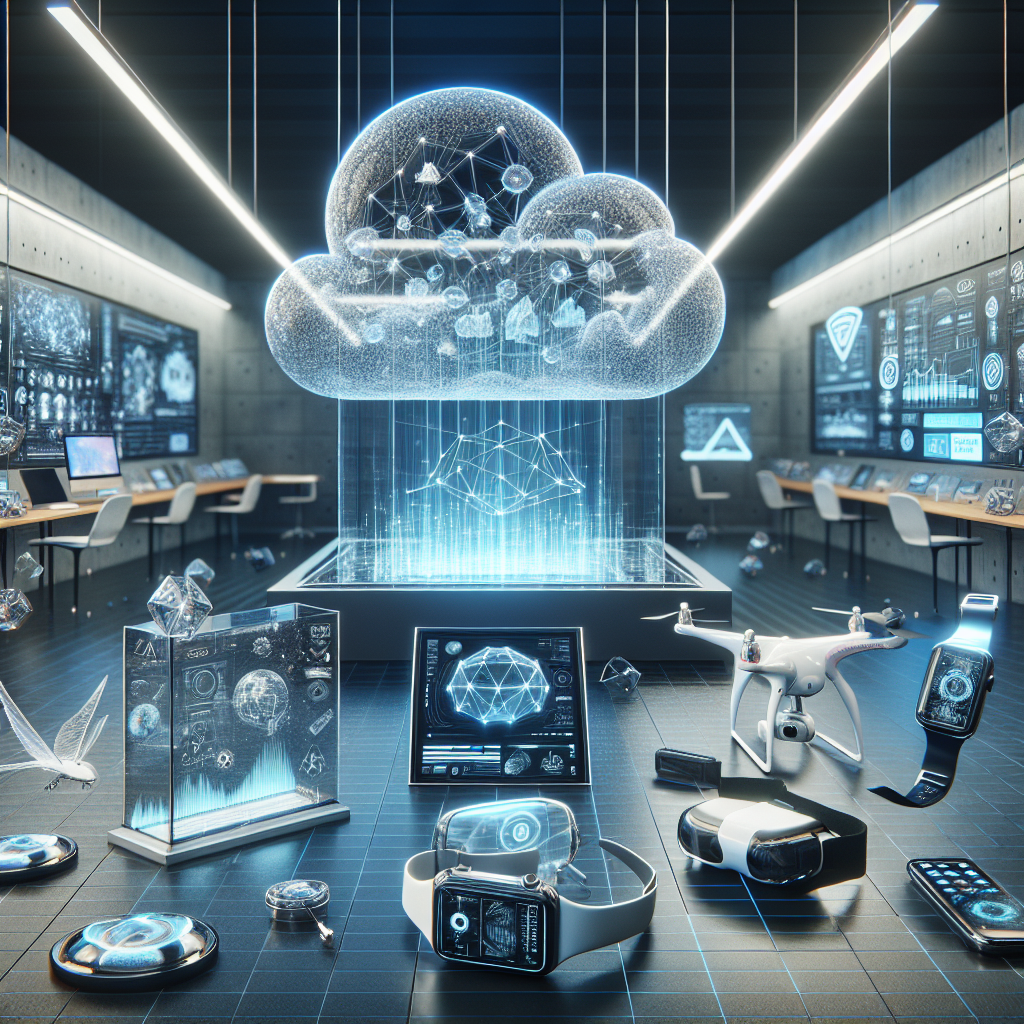
AI’s Expanding Role: How Technology and Cloud Computing Shaped 2025
How Artificial Intelligence Transformed Daily Life in 2025
As we approach the end of 2025, it’s evident that artificial intelligence (AI) has entrenched itself deeper into various facets of our lives. This year, AI didn’t just enhance our gadgets, it redefined them. From the smart assistants in homes managing routine tasks to AI-driven productivity tools reshaping the workplace, the impact is undeniable.
The leap in machine learning algorithms has made it possible for devices to understand and predict our needs better than ever. For instance, smart home systems now adapt based on user behavior without manual programming. These systems not only turn off lights but also predict your schedules and adjust heating and lighting accordingly.
Furthermore, technologies like large language models (LLMs) have elevated human-computer interaction, making automation more intuitive. The integration of LLMs into customer service platforms allows companies to offer 24/7 support with human-like interaction quality, enhancing customer satisfaction.
Cloud Computing: The Backbone of Modern Innovations
The growth of cloud computing underpins many of these innovations. With cloud platforms, businesses can rapidly prototype, deploy, and scale AI solutions without investing heavily in physical infrastructure. This year, we’ve seen an increase in the adoption of Infrastructure as a Service (IaaS) and Software as a Service (SaaS) models, enabling more businesses to leverage cutting-edge technologies.
An exemplary trend is the rise of DevOps in cloud implementations. By facilitating seamless integration and deployment of applications, DevOps enhances agility and reduces time to market. Companies utilizing SaaS models have seen significant improvements in operational efficiencies, driving innovation further.
Tech Gadgets: Enhancing Productivity and Lifestyle
2025 also witnessed a surge in tech gadgets focused on productivity. Devices like advanced VR headsets have gone beyond gaming, finding applications in remote work environments. Companies are offering virtual office spaces where teams collaborate across geographies, breaking the physical barriers of traditional offices.
Moreover, products like smart earbuds now incorporate AI technology to provide real-time translations and noise cancellation, enabling productive communications in various environments. These gadgets not only boost productivity but also improve the quality of life for digital nomads and tech enthusiasts.
Vibe Coding: The New Era of Developer Experience
In the realm of software development, 2025 has seen a trend termed as “vibe coding.” This concept involves creating coding environments that adapt to developers’ moods and preferences. Through AI-driven feedback systems, coding interfaces can change color schemes, suggest music playlists, and adjust text editors to enhance focus and creativity.
Tools like AI-powered version control systems now anticipate developers’ needs, suggesting code snippets and debugging tips in real-time. This innovation has streamlined coding workflows, increasing productivity and reducing downtime caused by common errors.
Seize the Future with AI and Tech Innovations
As 2025 draws to a close, the strides made in AI, technology, and cloud computing are more apparent than ever. The year has cemented AI’s place in our day-to-day activities, from how we work to how we live, offering a glimpse into the limitless potential of future innovations.
If you’re interested in exploring how these cutting-edge technologies can transform your business operations, reach out through our contact page for a consultation. To stay updated on the latest trends, follow us on Facebook, X, Instagram, and YouTube.