
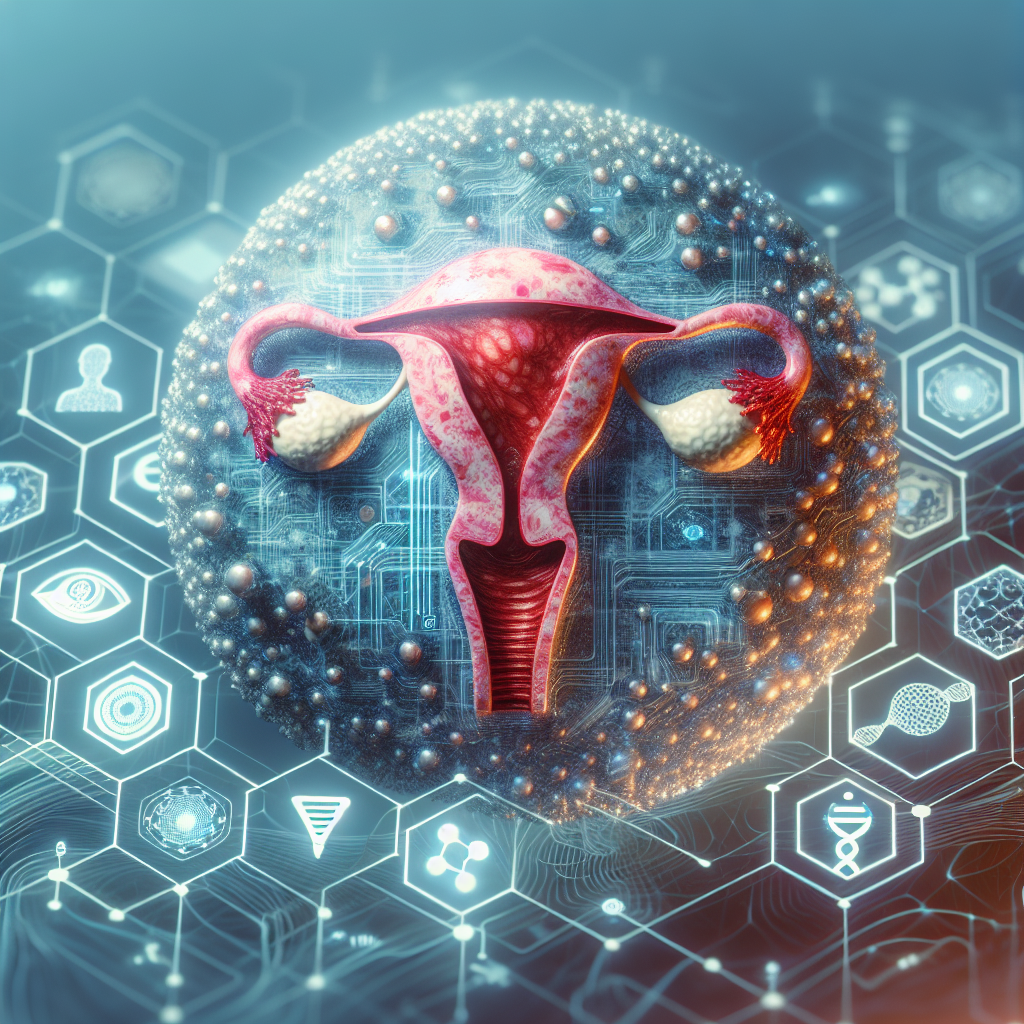
Revolutionizing Reproduction: Insights from the Latest Organoid Uterus Innovations in Tech
At first glance, recent advancements in reproductive biotechnology may seem like science fiction—yet they represent tangible strides toward the future. In a world where technology increasingly interweaves with human life, how will such innovations impact us?
The Technological Genesis: Understanding Organoid Uterus
In a groundbreaking revelation, researchers have managed to cultivate embryos in a lab environment designed to mimic the human uterus. This procedure, vividly similar to the natural implantation process, uses organoid uterus technology. Essentially, it replicates the environment where a future placenta begins to form, but crucially, everything occurs outside the human body.
Using a position known as a microfluidic chip, the experiment simulates the conditions that an embryo would encounter in a real uterus. This technological marvel not only provides insights for medical science but also challenges our ethical boundaries regarding reproduction.
Applications Beyond Imagination
Why does this matter? For starters, this technology could revolutionize fertility treatments, offering hope to individuals who experience infertility. Moreover, by safely studying embryo development outside of the human body, the scientific community can gain an unparalleled understanding of genetic expression during early pregnancy.
Example applications include:
- Fertility Treatment Innovations: Helping those struggling with infertility by providing alternative methods for embryo development.
- Studying Developmental Biology: Gaining profound insight into genetic markers and developmental milestones.
- Mitigating Genetic Disorders: Offering the potential to pre-screen for genetic disorders in controlled environments.
The Intersection of AI and Reproductive Health
Artificial intelligence plays a pivotal role in processing large datasets obtained from organoid uterus experiments. By employing machine learning algorithms, researchers can identify patterns that might otherwise remain hidden. This type of predictive analytics is invaluable for enhancing reproductive health predictions and testing.
In addition to aiding the study of reproductive patterns, AI-driven tools like large language models (LLMs) can offer insights into developmental biology trends. These insights allow for quick adjustments and innovations in real-time.
Sustainability and Ethical Considerations
As exciting as these advancements are, they also come with ethical questions that must be addressed. The sustainability of lab-grown human cells, along with the potential psychological and moral implications of artificial reproduction, requires comprehensive exploration.
This progress raises questions: Could further advancements reduce the demand for traditional childbirth? And what responsibilities will society bear as reproductive technology continues to evolve?
Public policy, ethics in science, and technological innovation must advance hand in hand to ensure that our society benefits ethically and sustainably from such breakthroughs.
What Lies Ahead?
The intertwining of AI, reproductive technology, and organoid science represents both challenge and opportunity. The potential applications are vast—from advancing personalized medicine to redefining human reproduction altogether. Yet, as we embrace this exciting future, thoughtful ethical discourse remains crucial.
By staying innovative and ethically conscious, we open doors to improvements in quality of life and healthcare accessibility across the globe.
Is your team ready to harness the power of these technological shifts within your own tech solutions? At EzraWave, we help guide companies through AI-driven transformations. Contact us today to unlock your organization’s potential.
Follow us for the latest updates: Facebook, X, Instagram, YouTube.