
Beware the Typosquatting Trap: Protect Your Credentials Against New Phishing Scams
Introduction
News of a recent phishing scam is making waves across the tech community. Have you ever received an email that looked eerily similar to a trusted brand, only to realize something was off? Well, this is exactly what cybercriminals are counting on with their latest strategy.
The Rise of Typosquatting in Cybersecurity
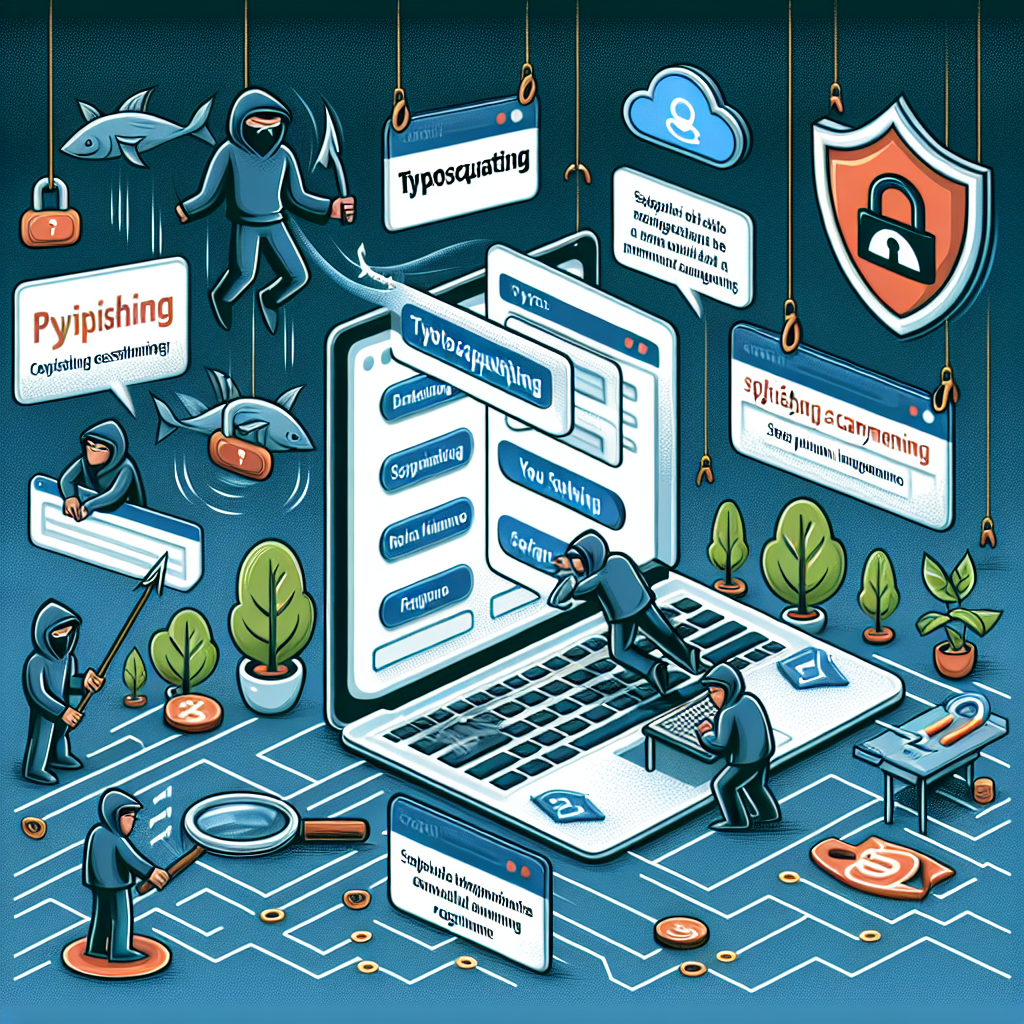
In an era where technology is deeply integrated into our daily lives, cybersecurity remains a top concern. Typosquatting, a sneaky tactic used by cyber criminals, exploits human error. By swapping letters in domain names, such as replacing ‘m’ with ‘rn’ in ‘microsoft.com’, hackers create deceptive URLs. This tactic is particularly dangerous because these faux sites look remarkably genuine at first glance.
Understanding the Impact of Typosquatting
Typosquatting is more than just a clever play on words; it has serious implications. The main driver behind this strategy is to steal login credentials and personal information. When users inadvertently enter authentic credentials into these counterfeit sites, hackers gain access to sensitive accounts and data. This breach can lead to identity theft, financial fraud, and unauthorized access to confidential information.
According to Fox News, cybercriminals leveraging the rnicrosoft.com domain have victimized countless individuals by mimicking Microsoft.Read more here. This signifies a growing trend in domain manipulation within the cybersecurity threat landscape.
Tools and Techniques to Detect Phishing Scams
While the rise of typosquatting is alarming, there are both technological and practical strategies that individuals and organizations can use to protect themselves:
- Use Anti-Phishing Software: Tools like Webroot SecureAnywhere and Bitdefender offer advanced phishing protection features. They can recognize fake sites and alert users before any data transfer occurs.
- Activate Two-Factor Authentication (2FA): Always enable 2FA where possible. It’s an additional security step to ensure that even if credentials are compromised, unauthorized access is still prevented.
- Keep Software Updated: Regular updates to your browsers and operating systems often include security patches. These updates combat the latest discovered vulnerabilities.
- Check for SSL Certificates: Ensure that websites you input data into have SSL certificates. Look for a padlock icon next to the URL as an indicator of security.
Staying One Step Ahead
As cyber threats evolve, staying informed is your first line of defense. Subscribe to cybersecurity alerts, continually educate yourself and your teams, and maintain open communication channels about potential threats. Cybersecurity is not a one-time checklist but an ongoing process of vigilance and learning.
Organizations are encouraged to conduct regular training sessions on recognizing phishing attempts and implementing best practices. Meanwhile, individuals should be proactive about personal information security, recognizing the risks involved in sharing data online.
Explore More on Cybersecurity Innovations
With domains like AI and Cloud Computing intersecting with cybersecurity, the future is full of promising solutions. From machine learning algorithms that detect anomalies in traffic patterns to cloud-based security platforms offering real-time threat analysis, the potential to thwart threats before they mature is ever-expanding.
Connect with us at Ezra Wave Consulting to ensure you stay ahead of these ever-evolving threats. We specialize in AI-driven solutions that help organizations bolster their security frameworks, ensuring a safer digital experience. Follow us on Facebook, X, Instagram, and YouTube for more insights.