
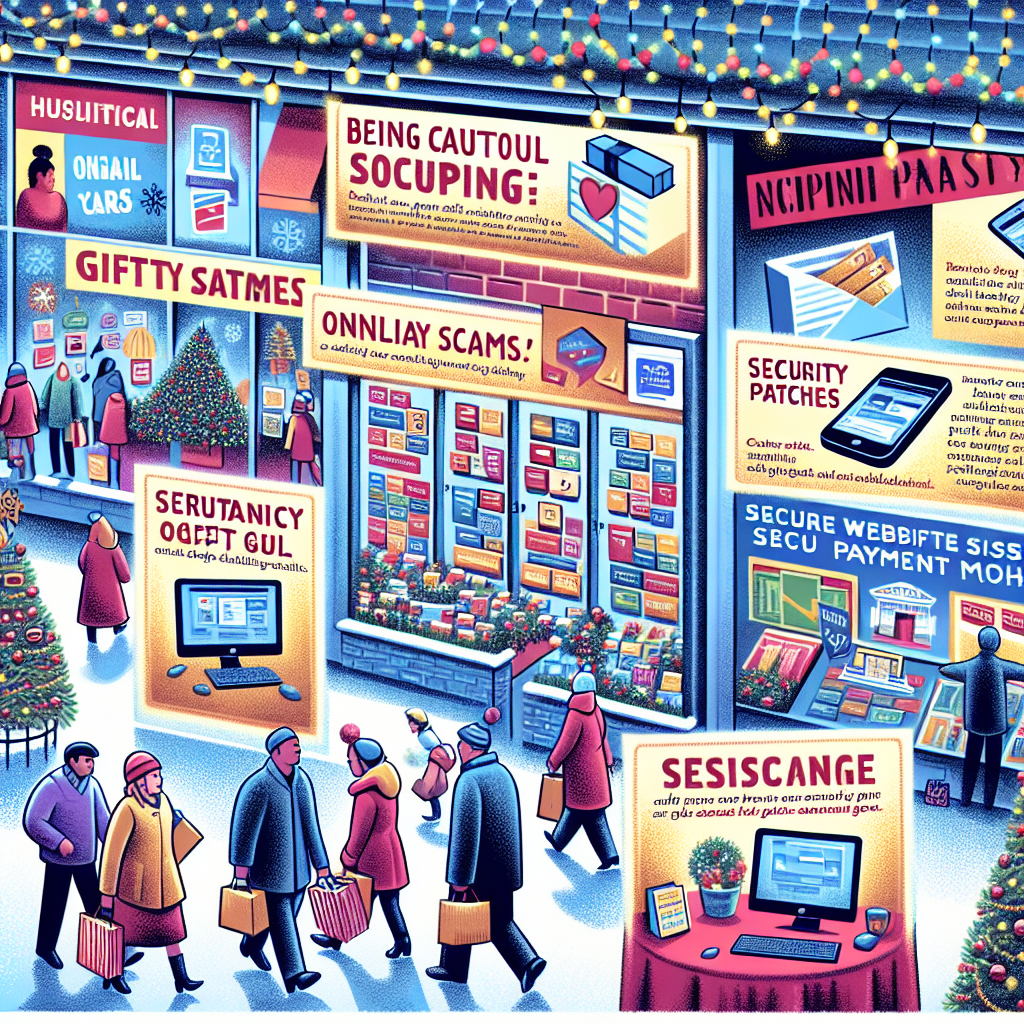
Beware Holiday Email Scams: Avoid Non-Delivery Fraud and Gift Card Schemes
Holiday email scams surge during the festive months, causing significant financial loss to unsuspecting victims. The FBI has issued a warning, highlighting the prevalence of non-delivery fraud and gift card scams in November and December. But how do we protect ourselves in this digital age of spending?
Understanding Email Scams: A Seasonal Spike
As we approach the holiday season, there is a noticeable increase in online shopping activities. Unfortunately, scammers leverage this trend, inundating consumers with fraudulent emails. The FBI reports that these scams collectively cost victims hundreds of millions. But what exactly are non-delivery and gift card scams?
What is Non-Delivery Fraud?
Non-delivery fraud is a scam where victims purchase goods online but never receive them. These types of frauds are increasingly common during the holidays when everyone is looking for the best deals. Scammers create bogus online stores, promising incredible deals, only to disappear once payments are made.
Gift Card Scams Explained
Gift card scams involve fraudsters convincing victims to purchase gift cards under false pretenses. A common tactic is posing as a legitimate company or authority figure, claiming that a payment or a gift is required. The scammer then asks for the card details, which are untraceable once used.
Protecting Yourself: Be an Informed Consumer
With knowledge comes power. Here are some practical tips to identify and protect yourself from these scams:
- Verify the Sender: Always double-check the sender’s email address. Look for typos or suspicious domain names.
- Secure Payment Methods: Use payment methods that offer buyer protection, such as credit cards or services like PayPal.
- Research: Before making any purchases, research the vendor. Read reviews, check the business’s social media presence, and ensure that they’re legitimate.
- Be Cautious with Gift Cards: Never provide gift card information to someone you don’t know or trust.
Technologies and Tools to Guard Against Scams
Technology can be a double-edged sword, but it also offers solutions to help mitigate these risks. Consider these options:
- Antivirus Software: Ensure you’re using updated antivirus software that can detect and block suspicious emails.
- Phishing Filters: Browser settings and email providers often come equipped with phishing filters—activate them.
- Two-Factor Authentication (2FA): Use 2FA wherever possible to add an extra layer of security to your accounts.
Final Thoughts: Stay Alert this Season
The bustle of the holiday season shouldn’t leave you vulnerable to cyber threats. Staying informed, being cautious with your online dealings, and leveraging technology can help you sidestep these scams. For more insights and support, feel free to contact our team at EZRA Wave. Keep abreast of updates and stay connected with us on our Facebook, Twitter, and Instagram pages.
Stay safe and scam-free this holiday season!